// bayswater and the north-eastern suburbs
Web design in Bayswater for businesses known on one Perth street and invisible three suburbs over.
Trade in the north-east still runs on a reputation you can walk to. Eighth Avenue in Maylands and the Beaufort Street strip carry a shop on regulars and word of mouth, and that holds right up until someone in Noranda or Embleton reaches for a phone instead. A site built for Bayswater is findable by suburb, not only by the people already walking past the window. Website builds cost A$500 to A$1,000; see pricing.
/ How local search behaves in the north-east
Old suburbs, tight boundaries, and a search radius that respects neither.
The north-east is a corridor of strips rather than centres, and that shapes how people find things here. Eighth Avenue in Maylands, Beaufort Street running up through Inglewood and Mount Lawley, Walter Road through Morley and Dianella: each one carries a run of small shopfronts that built their trade on being seen from the footpath. A phone search does not work like a footpath. It draws a radius around wherever the person is standing, which means a business three suburbs deep in that radius is competing against the strip whether it wants to or not.
The council boundary is real and locals know it, but a search radius ignores it entirely. The City of Bayswater ends without ceremony against the City of Stirling at Dianella and the Town of Bassendean past Ashfield, and someone in Noranda looking for a sparky is served results from all three. Guildford Road, Walter Road and the Tonkin Highway decide which of those is a sensible trip, and they matter far more to an enquiry than the line on the map does. The practical effect is that a page has to represent the areas a business genuinely reaches, rather than the ones its rates notice covers.
Housing era does the rest of the work here, because it decides which trades get searched from which streets. Maylands, Inglewood and Bedford hold 1920s to 1950s character housing where heritage sensitivity is part of the brief, so the demand runs to extensions, restoration, repainting, and rewiring and switchboard upgrades in stock that predates modern loads. Morley, Noranda and Embleton are 1960s to 1980s brick and tile, where roofing on tired tiled roofs, landscaping and knock-down rebuilds turn up instead, with the Galleria pulling retail and service searches in from the whole surrounding area. Two suburbs a few minutes apart can be asking Google for completely different things.
There is a commercial layer as well. The light industrial and trade premises around Collier Road and Railway Parade in Bayswater are searched by businesses, not homeowners, and those searches behave differently: supplier names, capabilities and opening hours rather than suburb and price. Bayswater and Morley now sit on the rail line running out towards Ellenbrook, which puts more people moving through the corridor with a phone in hand. None of that changes the underlying mechanics. The demand for local work in this corridor arrives named by suburb, and a site that never names the suburb honestly is simply not in the running for it.
City of Bayswater
Bayswater, Maylands, Morley, Inglewood, Bedford, Embleton, Noranda
Bordering: City of Stirling and Town of Bassendean
Dianella, Bassendean, Ashfield
/ Work delivered in Perth
A Currambine crew with nothing search could find.

CJH Concrete is a concreting crew based in Currambine, in the northern corridor rather than the north-east. Before the build it had no website and, unusually, no Google Business Profile either. The entire public presence was an Instagram account with the phone number in the captions, so a homeowner two suburbs away could not find the business in Google at all.
What shipped is a 44-page site structured around the two things a concrete buyer decides on: the finish they can see, and whether the crew works in their suburb. Sixteen service-area pages each tell Google which suburb they serve, in code it reads directly, instead of leaning on a shared footer list. Eight service pages split the trade by finish and job type. Three project pages name the suburb and the blend, and the mobile number and the ABN sit on every page.
What carries over to Bayswater is the method rather than the postcode. The same structure suits a renovation builder in Inglewood or a roofer working the old tiled roofs around Bedford and Embleton: pages built on jobs that actually happened, in suburbs the business actually reaches. For CJH, the change was going from a business Google could not find to one with a page for each suburb the crew works in.
More client builds, labelled by where each business is.
In Perth
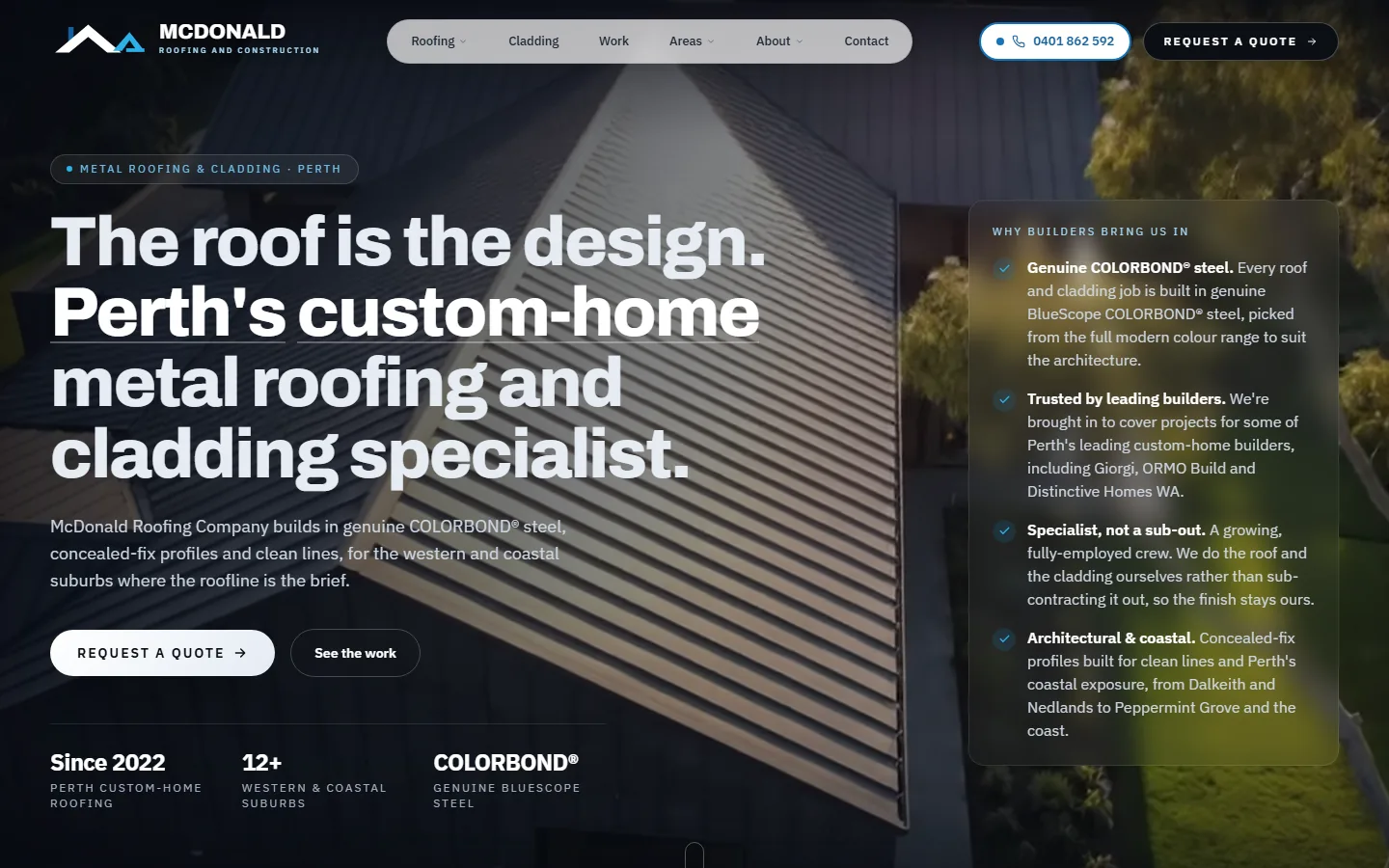 Wangara, PerthMcDonald Roofing CompanyMetal roofing and cladding. 12 service-area pages grouped into three Perth regions.Read the case study
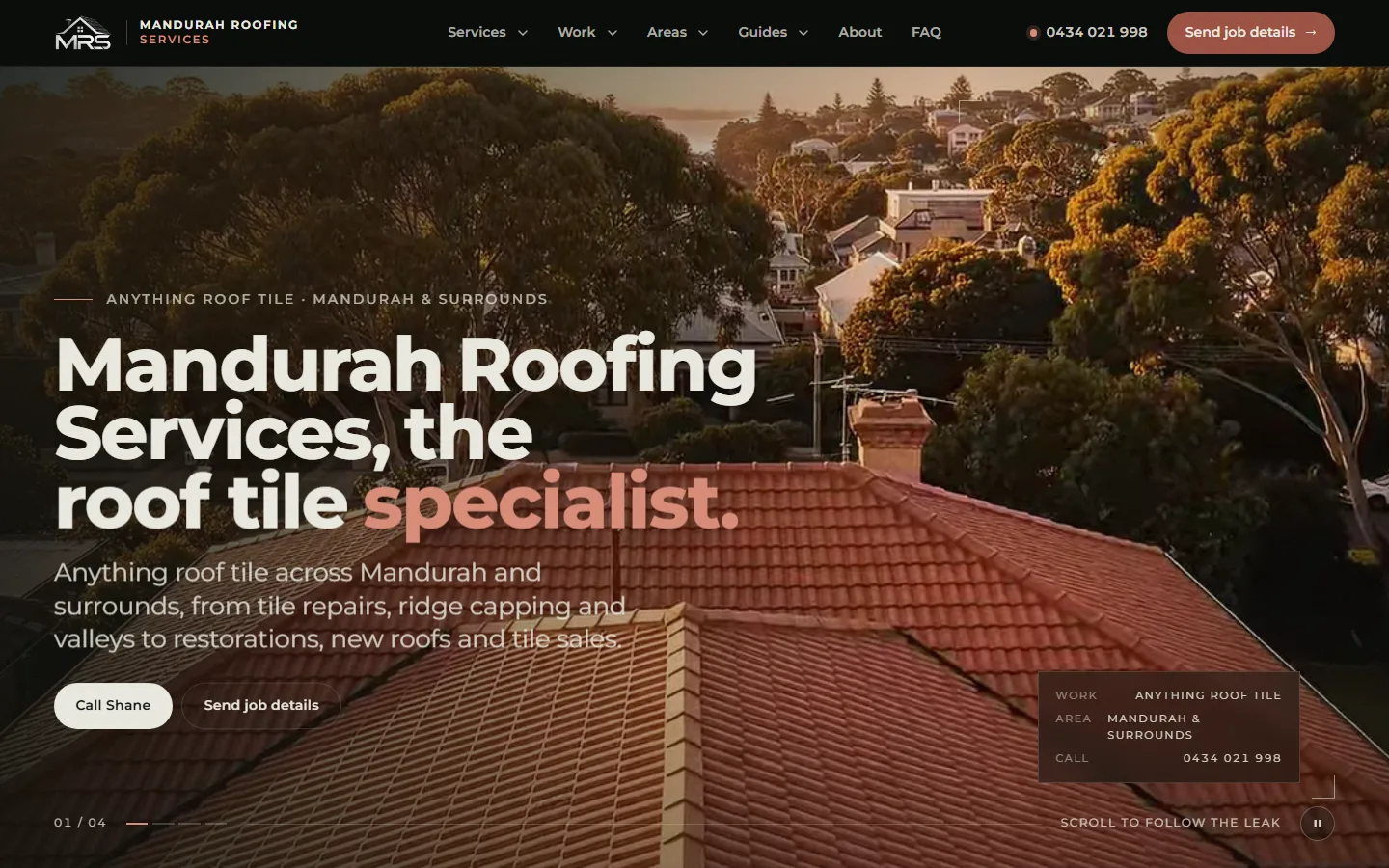 Mandurah, WAMandurah Roofing ServicesRoof tile repairs and restorations. 19 area pages from Rockingham to Pinjarra and eleven job stories linked to the original posts.Read the case study
 Mount Pleasant, PerthThe Fruit BasketIndependent greengrocer. 18 delivery-area pages, a produce range by category and online ordering for delivery and pickup.Read the case study
Interstate
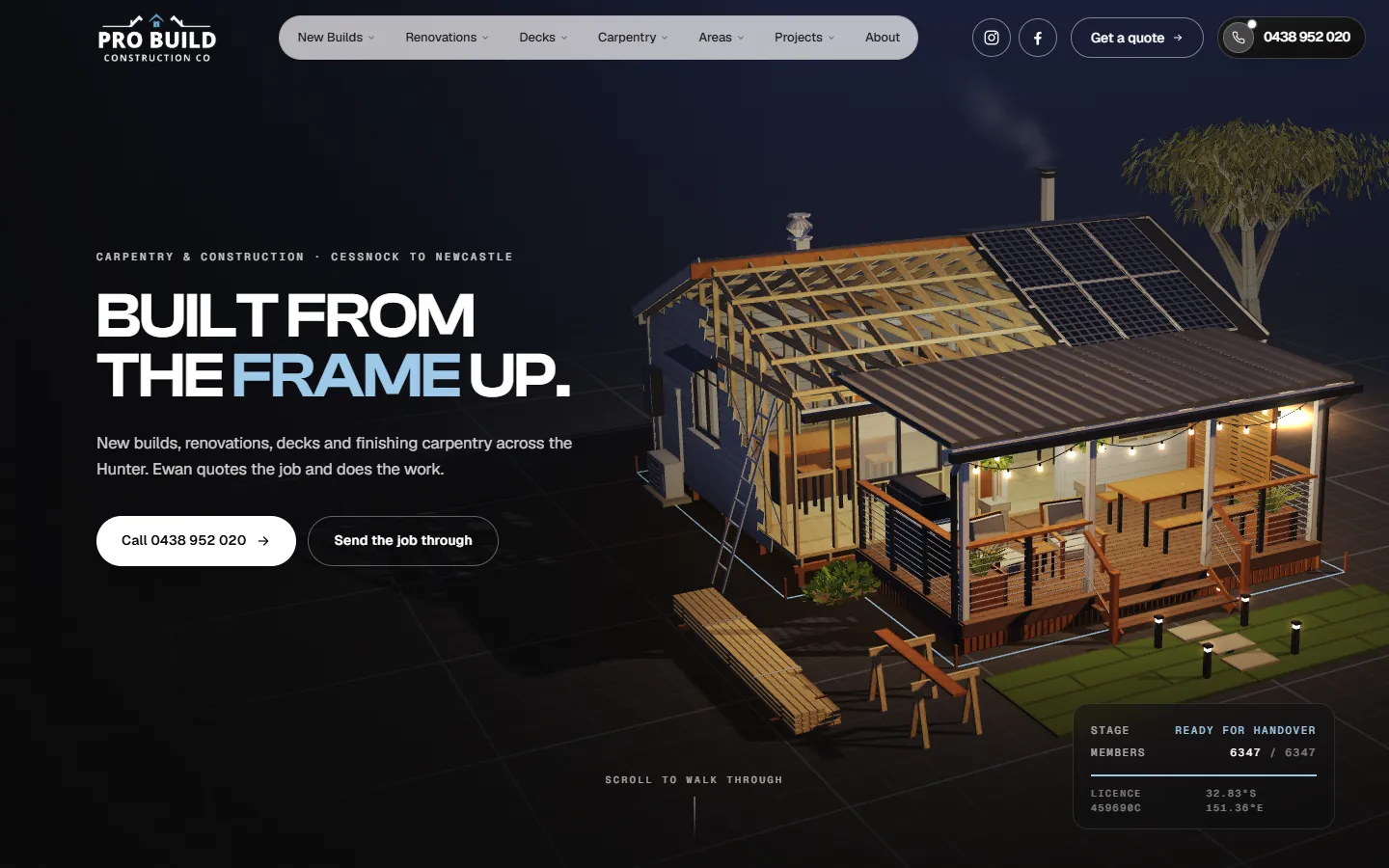 Cessnock, NSWProbuild Construction CoCarpentry and construction. 14 suburb pages across the Hunter and four project pages from real jobs.
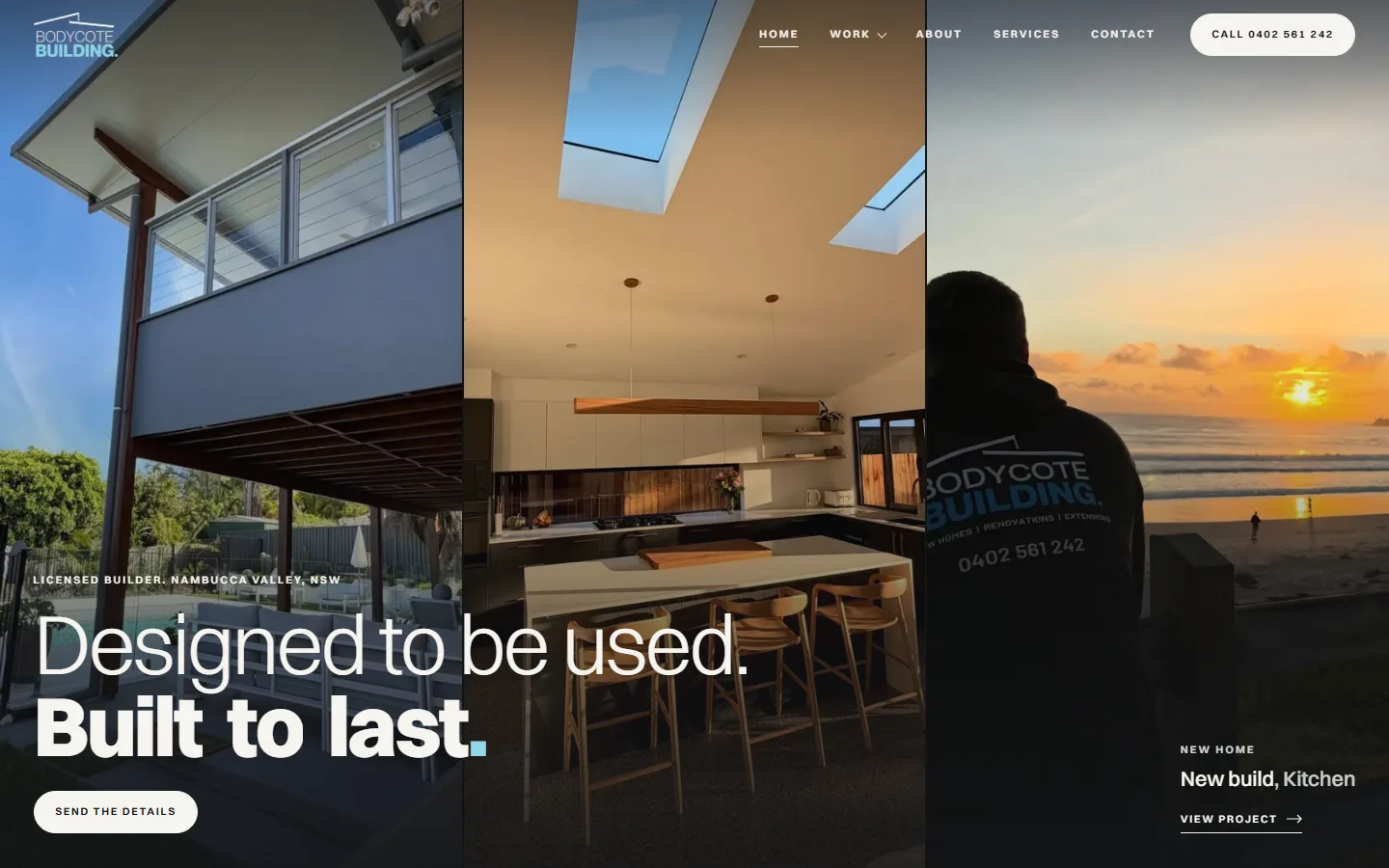 Nambucca Valley, NSWBodycote BuildingLicensed builder. Three project pages split by the kind of job: a new home, an elevated deck and a full renovation.
 Mannering Park, NSWDonza PlumbingPlumbing and gas. 100 suburb pages at launch, from the northern Central Coast to Newcastle.
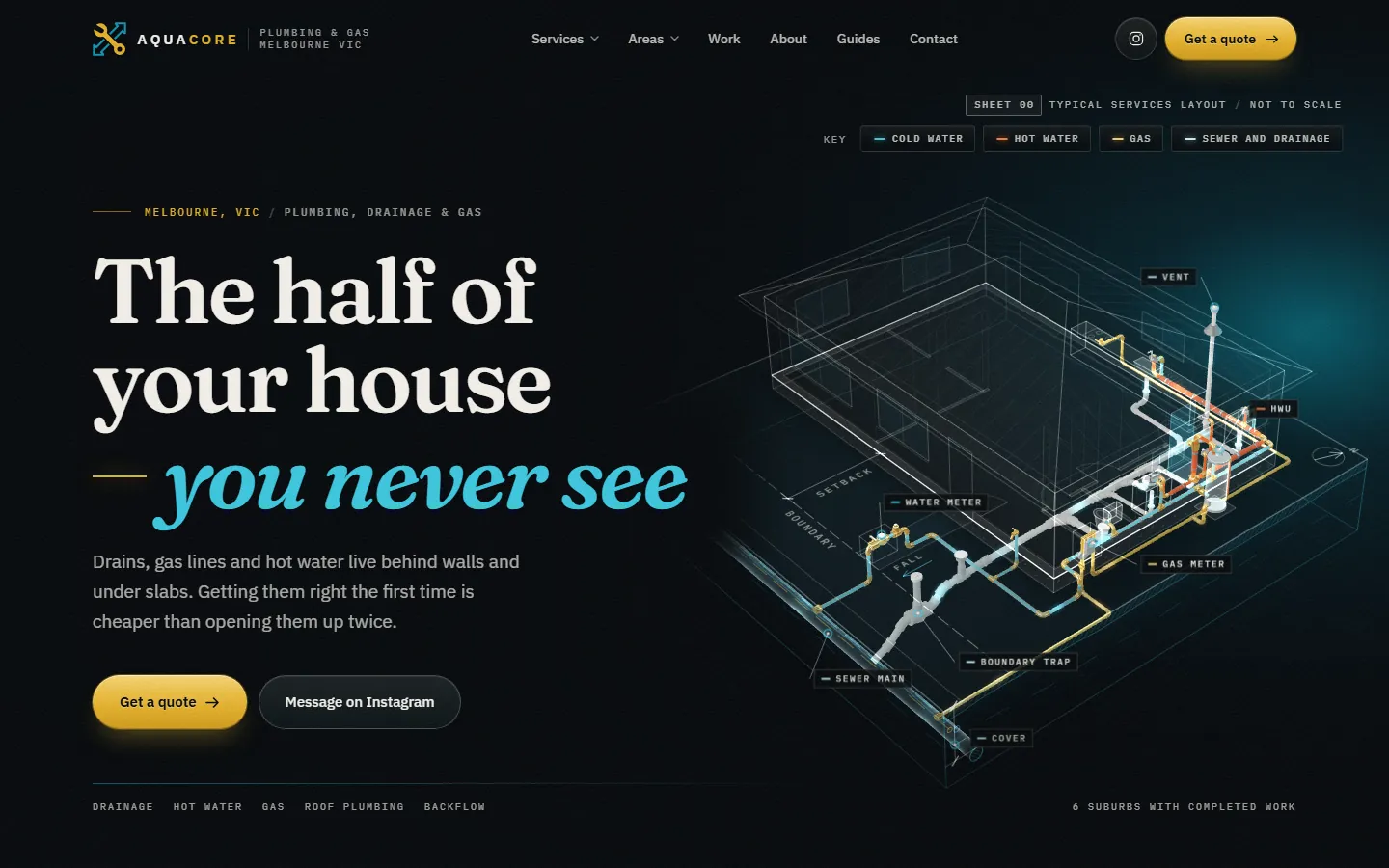 Melbourne, VICAquaCore PlumbingPlumbing. 22 suburb pages and a job record linked to the original Instagram posts.
What a Bayswater build actually includes.
The scope is the same as any Kovus build: service and suburb pages, a website that supports the Google Business Profile, mobile speed, structured data, a short enquiry path and written ownership of the site. What changes in Bayswater is which suburbs earn a page and what each one says, which is the local work described above. The full list is on the Perth page, under everything a Kovus website build includes.
- Website build
- A$500 to A$1,000, quoted in writing for the pages and integrations the business needs. A Premium build for a bigger site starts at A$1,000. What Premium covers.
- Hosting and edits
- A$97 a month covers hosting, security, backups and unlimited edits. What website maintenance covers.
- SEO and Google Business Profile
- From A$197 a month, adding Business Profile work, Search Console, directory listings, review requests and a monthly report. What the SEO plan covers.
Both monthly plans are optional and month to month with no minimum term. You own the website, content, domain and source code. Full pricing and terms.
Questions from owners in the Bayswater area.
What should a Bayswater business show first on a phone?
Does a business in Maylands need a different page from one in Morley?
My work is renovations and extensions on character homes. How does that change the site?
Half my enquiries come from outside the City of Bayswater. Should the site say so?
Does the new rail line through Bayswater and Morley change anything for a local business?
How much does web design in Bayswater cost?
Who owns the website, and is there a contract?
Will the site rank on Google?
/ Elsewhere in Perth
Other Perth corridors with their own page.
- Web design across Perth
- Joondalup and the northern suburbs
- Baldivis and the Kwinana growth corridor
- Canning Vale and the south-eastern estates
- Cannington and the Albany Highway corridor
- Cockburn and the suburbs from Atwell to the coast
- Mandurah and the Peel region
- Melville and the suburbs south of the river
- Rockingham and the south-west coast
- Subiaco and the inner western suburbs
/ The next step
Tell me what you do and where it goes, and what search is currently costing you.
What the business does, which north-eastern suburbs the work actually comes from, and what the current site fails to do. I will reply with the sensible next step and what is needed for an exact scope.
Or call Josh on 0423 155 979 or email josh@kovus.dev.
/ Perth based · Written scope · You own the website